a generation without a homeland
Marwa Rehman
Once upon a time, two neighboring tribes lived side by side. Their relationship was neither
entirely friendly nor entirely hostile—it was always shifting, unpredictable. Sometimes they
exchanged gifts and paid visits, and sometimes they turned against each other. They were the perfect example of friendly, not-so-friendly neighbors.
Then, one fateful day, a storm arrived. It devastated one of the tribes, leaving their homes to rubble. Houses crumbled, families were uprooted, and the survivors were left destitute,
wandering through the debris of their former home. Chaos engulfed them.
A wealthy man saw their plight and declared that whoever among the neighboring tribes took them in would receive a reward. The leader of the other tribe agreed. The displaced people finally had a sigh of relief and the host community accepted them wholeheartedly.
Initially, they were just guests. However, they gradually began to rebuild their lives
alongside their hosts. They worked together to paint the shattered walls, fix the broken
tables, and bring life back to the vacant spaces. The distinction between host and guest
become less clear over time. They married within each other’s tribes. They formed
friendships, shared meals, and defended one another against outsiders. Over time, they forgot who had once been a guest and who had once been a host. This land was now their home.
A new generation was born there. They took their first steps on this soil, spoke their first
words in its language, and watched their first rain from its rooftops. They bought their
groceries from the same market, attended the same schools, and played in the same streets. To them, migration and displacement stories were just folk tales told by their elders—relics of the past, not realities they had ever known. They belonged. Or so they thought. But intertribal politics is cruel. It does not value personal relationships. It has no concern for the boy who must leave the only home he has ever known, or for the two closest friends who are torn apart overnight. It has no regard for the lovers who must suddenly part ways, or the man who is forced to forsake the business he started from scratch. It does not care for the girl who studied here and dreamed of a future here.
All that mattered was power.
The home that once lay in ruins had been rebuilt with love and labor, but now, none of it
mattered. The tribal leaders quarelled, and their dispute became the reason for exile.
Suddenly, the perception shifted: what was once a home became an occupation. The tables they had built were now seen as intrusions. The walls they had painted were ignored, but the pencil scratches their children had made on them were now glaring flaws.
Their businesses , markets, and friendships were all forgotten. Only their presence was
recalled, now regarded as a burden. The stories of love, resilience, and common history have vanished. Decades of coexistence vanished overnight. So the demand came: they had to return. But where should they return? To a land they were unfamiliar with? To a home that had become a memory passed down through generations? Who decides where a person actually belongs—their ancestral home or the place where they were born, lived, loved, and built their lives? The identity crisis, the emotional toll, and the dislocation of entire families—all for a conflict they never wanted. They were homeless before, and now they are homeless again. The hosts grieved their departure, while the tribesmen in the power cheered.
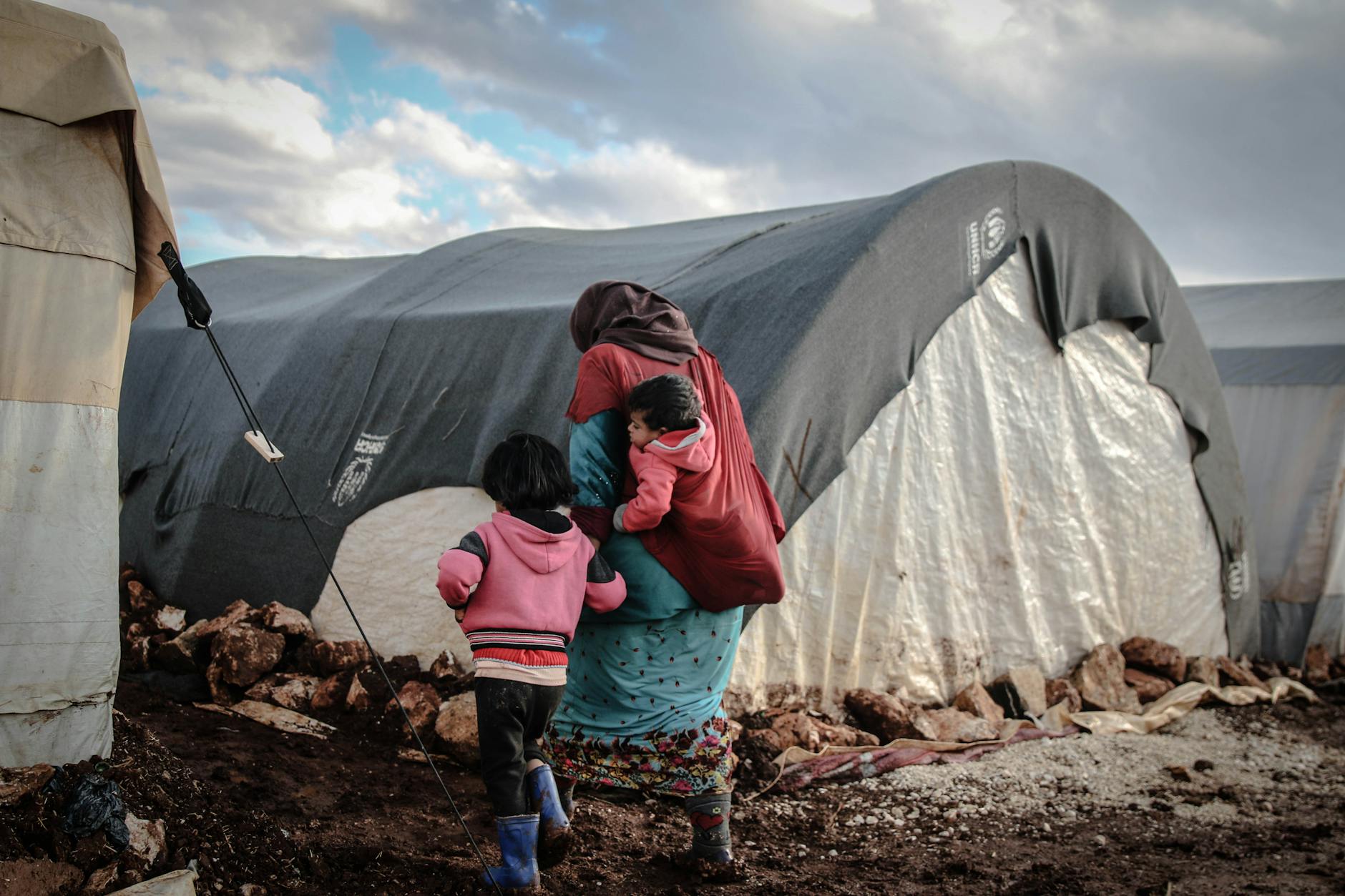
The cycle of displacement persisted. Home is more than just a roof over one’s head. It’s where you feel protected and belong. But for them, belonging had always been temporary. And security? That was a dream they had never been allowed to have.
Too young to choose, old enough to suffer…..
Marwa Rehman
Nazo 14, Sahar 15, Alia 16.Najia 11These are not just numbers or statistics. These are real lives, real stories, and real dreams that were cut short the moment they were forced into marriage. Child marriage remains a widespread issue, not only in underdeveloped and developing countries but also in developed nations where legal loopholes allow it under parental consent. According to Unicief approximately, 650 million girls alive today were married before their 18th birthday.
Despite ongoing discussions about its causes, such as poverty, lack of education, cultural norms, and economic constraints, child marriage persists, and new laws, such as the proposed Iraqi legislation lowering the marriage age to nine, only worsen the situation. According to Unicief approximately, 650 million girls alive today were married before their 18th birthday.
“Let girls be girls, not brides” – UN Women
While much has been said about the reasons behind child marriage, it is equally important to examine its long-term consequences. This harmful practice does not only affect the girls who are married off at a young age. It impacts entire societies, trapping them in cycles of poverty, illiteracy, and inequality.
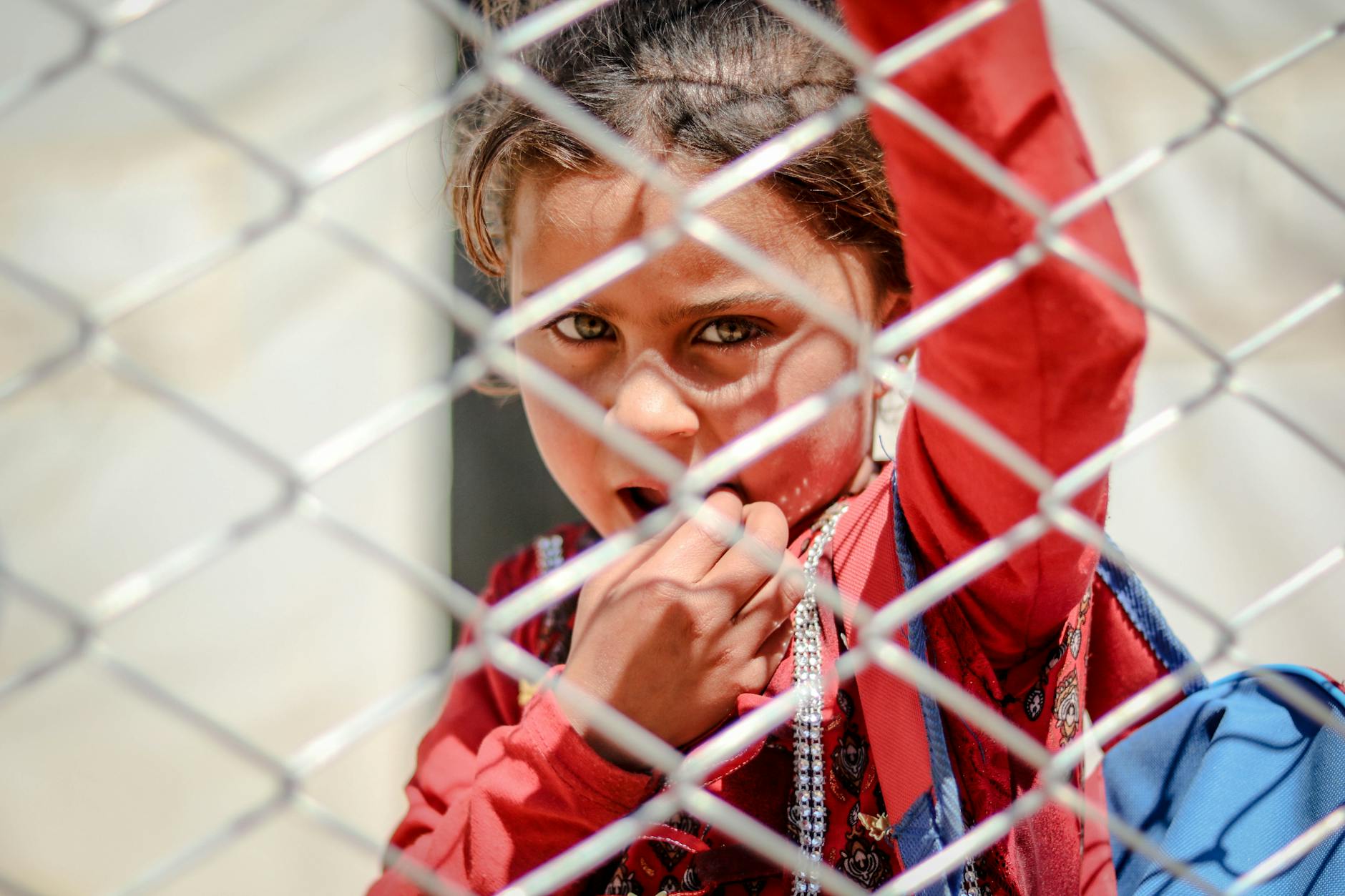
One of the most immediate consequences is the physical and mental toll on child brides. Young girls are not physically ready for childbirth, leading to high maternal mortality rates, pregnancy complications, and long-term health issues. The psychological impact is equally devastating. Many child brides suffer from severe trauma, anxiety, and depression as they are forced into adult responsibilities before they are emotionally prepared.
The effects extend beyond individual girls to future generations. A mother who has been denied education and personal growth struggles to provide emotional and intellectual support to her children. These children, in turn, grow up without proper guidance, repeating the same patterns of social and economic dependence.
For boys raised in households where child marriage is normalized, the cycle continues. They witness their mothers in subordinate roles and grow up believing that this is the natural order of society. As a result, they perpetuate the same attitudes toward women in their own marriages and communities.
Girls who grow up in such environments face a similar fate. With no access to education or role models who have broken free from the cycle, they are left with few choices. Even if they aspire to a different future, they are often pressured into early marriage, reinforcing the same patterns of dependency and restricted opportunities.
Beyond the household level, child marriage weakens economies and prevents societies from progressing. When girls are denied education and forced into early marriages, half of the population is excluded from contributing to economic and social development. Women’s financial independence is crucial for economic stability, yet child marriage ensures they remain dependent.
The secret antidote….
Marwa Rehman
When I was in ninth grade, I accidentally brushed against my friend Maria’s arm and felt something unusual, like a small packet. Curious, I asked her about it. She hesitated for a moment before whispering that it was a taweez (amulet), given to her by her parents to protect her from evil spirits.
Maria often had hallucinations and would sometimes faint in class. Bruises and marks appeared on her arms and around her neck, which she tried to hide. But one day, something unexpected happened—Maria got engaged. She was still in school, too young for such a commitment. When we asked her why, she simply said, “Someone told my parents that marriage will heal me. Once I get married, all my problems will be solved.”
Maria’s case was not unique. In my neighborhood, a 17-year-old boy struggling with cannabis addiction faced a similar “treatment.” His parents never sought therapy or professional help. Instead, they followed a well-known cultural prescription: marriage.
This isn’t an isolated trend. In South Asian societies, marriage is the go-to remedy for everything. A girl is rebellious? Marry her off. A girl gets bad grades? Find her a groom. A boy refuses to work? Get him a wife. It’s our society’s secret formula, our magical one-size-fits-all solution.
But don’t share this secret outside of South Asia! Western societies might catch on to our ultimate success strategy. After all, it’s a multi-purpose fix. A disobedient boy? Marry him off. A household needs someone to do the chores? Get your son a nice bride. No need to hire a maid or a cook when a daughter-in-law can fill in.
In poorer households, marriage also becomes an economic transaction. The burden of feeding one less mouth is a relief, and dowry, a deeply entrenched yet conveniently denied practice, helps further. Some demand jobs for their son. Others provide long lists of furniture and household appliances, sometimes saving them up for their own daughter’s dowry later. A girl from a poor family? Sell her off in marriage; problem solved.
And it’s not just about financial struggles. Even among well-educated families, social pressure dominates. The aunties, the ever-watchful custodians of tradition, will remind you that daughters have an expiry date. If they “expire,” no one will want them, and their lives will be ruined forever.
But hush, let’s keep this secret formula within our society. It’s too precious to be exposed. After all, why solve real problems when you can just marry them away?
The power struggle: from kitchens to kingdoms
Marwa Rehman
Rakhshanda a 50-year-old mother-in-law is losing sleep. It’s not arthritis, nor is it the rising cost of living. It’s something far graver. A new bride is entering the house, and with her comes the one thing that threatens every ruler, every institution, every empire: the redistribution of power.
For years, Rakhshanda has held a supreme position of power. She has been in-charge of the kitchen, meal times, household decisions, and the holy art of brewing her son’s tea. However, a younger woman, who could be seen as a potential competitor, has emerged on the scene. The loss of singular power is a profound tragedy, one that resonates deeply within the fabric of leadership and influence. This transcends mere family dynamics; it delves into the very essence of power. The apprehension of a mother-in-law mirrors the anxieties that can destabilise governments, ignite fierce corporate competition, and even lead to conflicts between nations.
It is a well-established truth that power is rarely relinquished without a struggle. In various spheres of life, we witness a troubling trend: a father who denies his children the autonomy to make their own decisions, a professor who intentionally fails students as a means of exerting control, or a political leader who stubbornly clings to their position. This pattern reveals an unavoidable fact that power is not distributed but rather tightly held, leaving little room for collaboration or growth.
Some people avoid marriage entirely because they fear losing their autonomy. Others marry solely to gain more of it, power through wealth, status, or influence. The extravagant weddings, the grand farmhouses, the over-the-top displays of wealth, these aren’t just about luxury. They are statements of dominance. A person doesn’t need a list of 500-guests in a wedding, just like a country doesn’t need nuclear weapons. But both serve the same purpose: to show power, to intimidate, to ensure control.
This game is as old as time. Governments fight over it. The military craves it. The judiciary resents not having enough of it. Power struggles aren’t just between states. They exist within them. Institutions meant to balance each other out instead spend their time trying to outmanoeuvre one another. Meanwhile, the common citizen, much like the powerless daughter-in-law, remains at the mercy of those who dictate the rules.
And what about those who have no power at all? The homeless man who can be thrown off a piece of land at any moment. The worker whose livelihood depends on the impulse of an employer. The people used as puppets in the grand ambitions of those above them. Power is never about fairness. It is about control and mere control. And history has shown, time and time again, that those who hold it will do anything to keep it.
“The greater the power, the more dangerous the abuse.” – Edmund Burke
Rakhshanda’s worries may seem domestic, but at their core, they mirror the world’s greatest conflicts. From the battle for household dominance to the fight for global supremacy, it is all, and always has been, a ruthless game of power.
 Kadwal